
How to stop slugs and snails eating plants
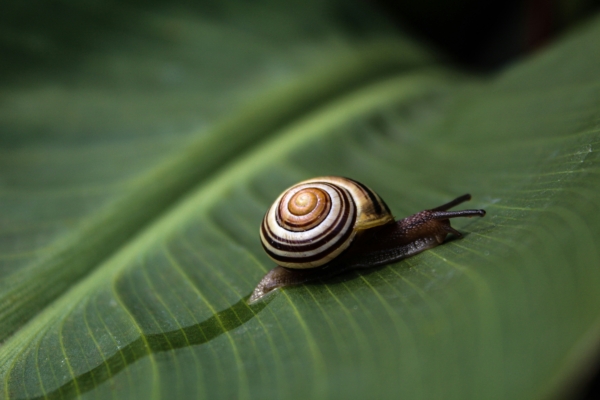
Slugs and snails are a common problem for millions of gardeners. They’re hard to find, tricky to stop, and can appear in your garden at any time of year. Once there, they’ll happily chew holes in your flowers, leaves, stems and bulbs.
You’re more likely to suffer from slugs and snails on warm, damp spring evenings. There are several ways you can recognise them and, crucially, a few ways of preventing damage. In this blog, we’ll look at how to stop slugs and snails eating plants in your garden.
How do you know if snails and slugs have been in your garden?
It can be challenging to spot slugs and snails. They’re small, hide amongst plants, and do most of their damage at night. They’re usually at their most active in spring.
If you suspect slugs or snails have been eating your plants, look for the following signs:
Slime trails
The classic sign of slugs and snails is the slime trails they leave behind. They’ll appear as moist silver tracks across your hard surfaces and plants’ leaves.
Search during the day
If you don’t mind getting messy, you might look through your soil to find slugs. If the weather is warm, they’re likely to hide under the soil for shade – simply dig through and have a look.
Search at night
If you want to catch slugs in the act, take a torch into your garden at night. Scan over your plants and flowers to see if you can spot any – a big clue is torchlight reflected on their trails.
Even if you do find them, it’s difficult to get rid of slugs or snails altogether. Making the effort to prevent them is highly recommended; they can cause a lot of damage if you don’t.
What damage can slugs and snails cause to your garden?
Slugs and snails eat your plants. Tell-tale signs are holes in leaves and flowers. Larger slugs can eat entire leaves, leaving only stems or very ragged remains behind.
This can frustrate your gardening efforts – especially when slugs eat flowers and young seedlings, resulting in unsightly damage to your garden. Slugs regularly target some plants and flowers in particular, such as:
- Tulips
- Sweet peas
- Dahlias
- Delphiniums.
You might also find slugs chewing through your lettuce and asparagus. The damage can be time-consuming and costly to fix, so it’s vital to take preventative measures.
How to deter slugs and snails
Deterring slugs and snails requires a combination of measures. Use hedges and ponds to invite slug predators into your garden, including frogs, toads, hedgehogs and blackbirds. This will initially help to keep your garden pests at bay. Then, arrange your plants and apply anti-slug treatments.
Segment plants
You should organise your garden so that at-risk plants are protected. Use fabric or mesh to protect the plants from the side and below, while surrounding them with hardier plants.
Slug pellets
When planting, you should turn slug and snail pellets into your soil. These chemical-free biodegradable pellets provide an effective barrier of protection around your plants to deter slugs and snails.
Slug-resistant plants
Use some slug-resistant plants around the garden to shield others. Options include lavender, fuchsia, roses and hydrangea.
Water correctly
A simple tactic to prevent slugs in your garden is to make their life more difficult. Water your plants in the morning – this will mean the soil is drier at night when slugs are moving between plants.
Alternative repellent tactics
Still wondering how to prevent slugs in the garden? In extreme cases, you might want to try alternative methods, such as using copper tape around plants to deter slugs with a tiny electric shock. Other treatments include sprinkling eggshells, garlic mulch or coffee grounds into the soil – and even placing beer traps around your plants.
Prevent slugs and snails
Slugs and snails are difficult to spot, but their damage can be extensive. A good gardener will use various methods to prevent them, including encouraging natural predators, using slug and snail pellets in the soil, and tactical plant arrangements. Check out our outdoor products for more ideas and inspiration.
This is an example of our blogging services. Get in touch to find out more.


6th September 2021